Measure Twice, Pay Once: The Corteiz Sizing Check UK Buyers Need in 2026
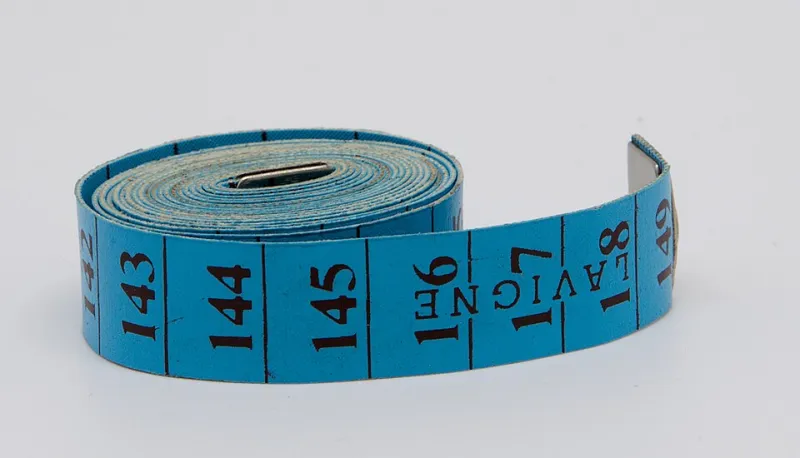
Photo: Clément Bucco-Lechat, CC BY-SA 3.0, via Wikimedia Commons
There is a particular kind of optimism that takes over when you spot a Corteiz piece on resale at a nearly sensible price. The photos look right, the seller seems sound, and the listing says the magic words: "fits true to size." That phrase has probably cost UK buyers more money than any fake discount code ever could.
Sizing in the Corteiz capsule market is not a single fixed chart you can memorise and move on from. It moves between drops, between garments, and between a piece that has been worn and washed twenty times and one that is still folded in its original bag. Fit reviews can help, but they are often someone else's body, someone else's styling and someone else's idea of what "true" means. If you are paying resale prices, you need something more boring and more reliable: a tape measure and a short checklist.
Why "Fits True to Size" Is a Useless Review
A fit review is not a measurement. It is a report from one person about how one garment sat on one body on one day. That is not nothing, but it is not a specification either. One buyer's "true to size" hoodie is another buyer's boxy, cropped or surprisingly neat fit, depending on height, shoulder width, layering habits and whether they wanted the piece to look oversized or just relaxed.
Resale listings make this worse because they often inherit the language of retail without the detail. You get "TTS", "oversized fit" or "standard fit" and maybe a stock image. What you rarely get is pit-to-pit, body length, sleeve length, waist measurement or inseam. Without those numbers, you are not reading a fit review. You are reading a vibe.
The Three Things That Actually Change the Fit
First, the drop. Corteiz capsules are not built like a school uniform. Patterns and cuts can shift across releases, and a hoodie from one run may sit differently from a hoodie in the same listed size from another. A review written about an earlier capsule is useful context, not a guarantee.
Second, the wash history. Cotton fleece can shrink, ribbing can tighten, and a heavy wash can change how a garment hangs. A washed hoodie may feel softer and sit closer to the body than an unworn one. Joggers can lose a little length or pull in at the waist. None of this is mysterious, but it does mean a washed piece and an unworn piece in the same size are not always interchangeable.
Third, the intended silhouette. Oversized does not mean shapeless, and regular does not mean slim. If you are buying for a specific look, you need to know whether the piece is supposed to sit boxy through the chest, drop at the shoulder or finish at a particular point on the hip. The size label tells you very little about that on its own.
How to Read a Resale Listing Like a Measurement Nerd
Start asking for flat measurements, and ask for them in the same way every time. For a hoodie or tee, the useful numbers are pit-to-pit, body length from the highest shoulder point, and sleeve length from the shoulder seam. For joggers or cargos, ask for waist relaxed, waist stretched, rise, inseam and leg opening. If the seller is already measuring, ask them to lay the garment flat, smooth it without stretching, and send a photo with the tape visible. A picture of the tape on the garment is harder to fudge than a typed number.
Then compare those numbers with a piece you already own and actually like the fit of. Not your idealised body, not a size you wish you were, but the hoodie or joggers that already work. Measure them flat, write the numbers down, and keep them saved on your phone. That is your personal benchmark.
A small tolerance is normal. Fabric has give, sellers measure slightly differently, and a centimetre here or there is not a crisis. But if the pit-to-pit is several centimetres off your benchmark, or the body length is much shorter than you expected, believe the tape over the phrase "true to size."
Washed Versus Unworn: The Comparison That Saves Money
When you are buying resale, ask whether the piece has been washed. If it has, ask how often and whether it has been tumble dried. You do not need a forensic report, but a simple answer changes how you read the measurements. A washed fleece hoodie that has been through a warm wash and a dryer is a different proposition from a cold-washed piece that has been air-dried.
If you can, compare the seller's measurements with an unworn version of the same piece or a known reference from your own wardrobe. An unworn garment gives you the baseline. A washed garment gives you the reality. The gap between them is the shrinkage story, and it is often the difference between a piece that fits and one that feels like it was made for a younger sibling.
Build Your Personal Fit Checklist
Before you pay resale prices, run through a short checklist. Measure your best-fitting hoodie, tee and joggers flat. Note the fabric type and how much you have washed them. Save those numbers. When you find a listing, ask for the same measurements and a tape photo. Compare the two sets with a sensible tolerance. Ask about wash history and drying. Check the seller's return policy and the platform's buyer protection before you transfer money. Private resale often means no returns, so the measurements are your insurance.
A quick message can save a lot of grief: "Alright — before I buy, can you lay it flat and send pit-to-pit, length from highest shoulder point, and sleeve from shoulder seam? Also waist relaxed and inseam if it is joggers. Has it been washed, and did it go in the tumble dryer? Cheers." If a seller will not answer that, you have learned something useful before paying.
The sizing roulette only keeps winning because buyers keep playing without a tape measure. In the 2026 resale market, the smartest flex is not guessing better. It is asking for numbers, comparing them with your own, and walking away when the fit does not add up.