The Camera Doesn't Lie (But the Crop Might): Corteiz Resale Photos in 2026
In UK resale, the photo does most of the talking. Before a buyer reads the measurements, checks the seller's feedback or asks a single question in the DMs, they have already made a judgement from the camera roll. For the 2026 Corteiz capsule, that judgement is sharper than ever. Everyone knows the shapes, the colourways and the usual resale chatter. What separates a listing that sits on 'maybe' from one that gets saved, shared and sold is often not the piece itself. It is the proof around it.
Why the fit pic became the receipt
A stock photo tells you what a piece is supposed to look like. A fit pic tells you what it actually does on a body. That matters with Corteiz because the silhouette is part of the appeal. An oversized hoodie can hang like a bin bag on one frame and sit perfectly on another. Cargos can stack, flare or swamp depending on height and shoe choice. UK buyers are not just purchasing fabric; they are buying a shape they have seen in group chats, on the walk to the station and in the mirror at 11pm.
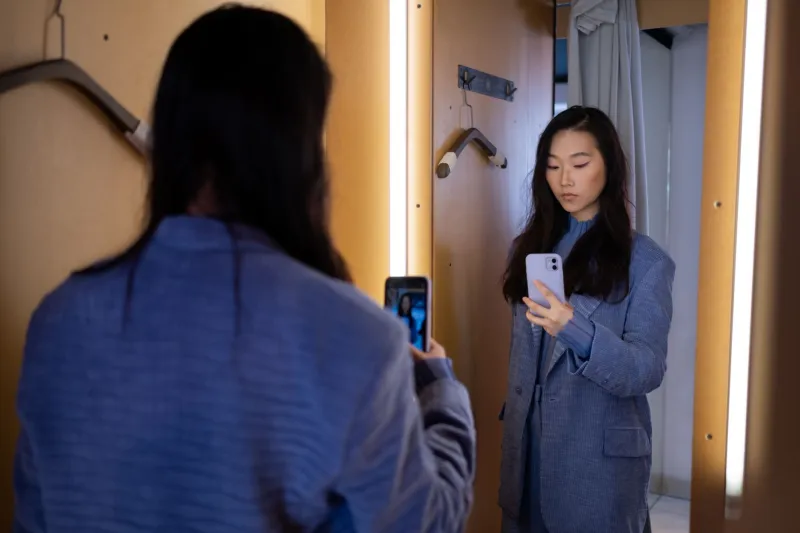
That is why the on-foot shot and the full-length fit pic have become the visual receipt. They answer the quiet questions: how deep is the crop, where does the hem land, how does the fabric move, and does the piece look worn-in or worn-out? A close-up of a label is useful. A fit pic that shows the whole look is what makes the listing feel real.
What buyers should clock
A good listing does not need a studio. It needs consistency. Buyers should look for a full-length front, side and back shot in decent light, plus close-ups of the details that matter: cuffs, waistbands, seams, prints, labels and soles if footwear is involved. If every image is cropped at the neck and knees, ask why. If the lighting changes dramatically between shots, or the item looks a different colour in each frame, slow down.
Timestamped proof has its place, especially on higher-value pieces. A handwritten note with the seller's username and the date, a live photo or a short video can all add confidence. But buyers should not treat proof theatre as a substitute for clear detail. A blurry photo with a date card is still a blurry photo. The best sellers offer proof without turning the listing into an interrogation. The best buyers ask for reasonable evidence, not a full forensic report.
Styling is another clue. A seller who shows the piece styled with realistic basics is showing its potential. A seller who hides every seam, pins the back, uses heavy filters or shoots only from flattering angles is showing something else. That does not automatically mean the piece is bad. It means the photo is doing more work than the garment.
The seller's shot list that earns trust
If you are selling in 2026, shoot like you are answering questions before they are asked. Start with natural daylight near a window. A plain wall, a clean floor or a neutral backdrop is enough. Avoid heavy shadows and avoid the murky indoor lighting that makes black Corteiz look grey and grey look green.
Then work through a simple list: one full-length fit pic, one detail shot of the label, one shot of the fabric or print, one shot of any flaw, and one laid-flat shot with a tape measure if sizing is crucial. For cargos and jeans, include an on-foot shot so buyers can see the stack. For hoodies and jackets, show the hood, cuffs and hem. If you have the original packaging, photograph it honestly. Do not imply it is included if it is not.
Honesty is not a weakness in resale. A small mark shown clearly is better than a perfect-looking listing that leads to a return, a PayPal dispute or a bad reputation in a UK market that talks. Sellers who photograph flaws calmly tend to get calmer buyers. The price might not be higher, but the sale is usually faster and cleaner.
Where presentation crosses into hype
The line is not complicated. Presentation shows the piece. Hype sells a fantasy. A styled fit pic that shows how a hoodie falls with wide-leg cargos is presentation. A listing that borrows another brand's aesthetic, hides the actual fit and uses language like 'grail' to distract from a missing drawstring is hype. The same goes for sellers who copy other people's fit pics, use images from old drops without saying so, or shoot in a way that makes a standard piece look like a one-off sample.
Buyers should also watch for styling that changes the garment itself: clips at the back, folds held in place, belts cinched tight to fake a shape. None of that is illegal in the world of listing photos, but it is information. If the fit only works when the seller is holding it, you are not seeing the fit.
The quiet pricing power of a clear listing
Better photos do not guarantee a higher price. They guarantee fewer time-wasters. In the 2026 UK resale market, buyers are more careful with money and more aware of the usual games. A clear listing with honest flaws, decent light and a real fit pic builds confidence. Confidence is what turns a lowball offer into a sale at a fair price. It also protects sellers from the dreaded 'not as described' message.
The camera does not lie, but the crop might. Shoot the whole piece. Show the flaw. Style it like you would actually wear it. Then let the buyer decide. That is not just good photography. It is good resale.